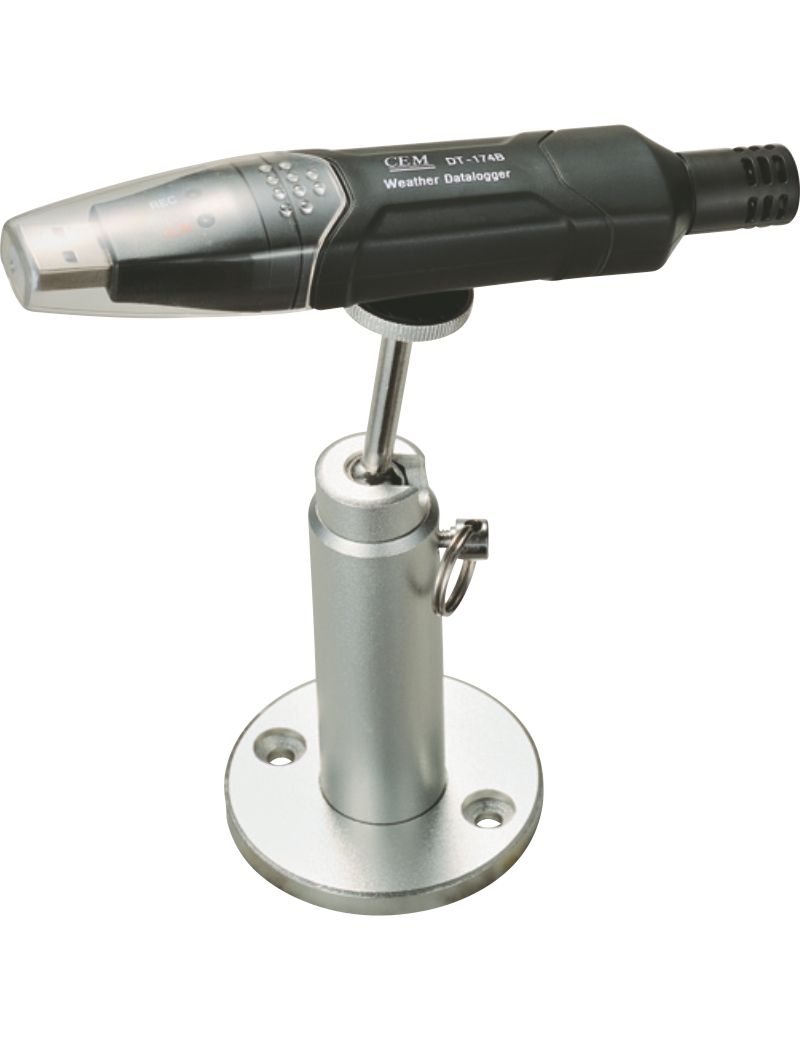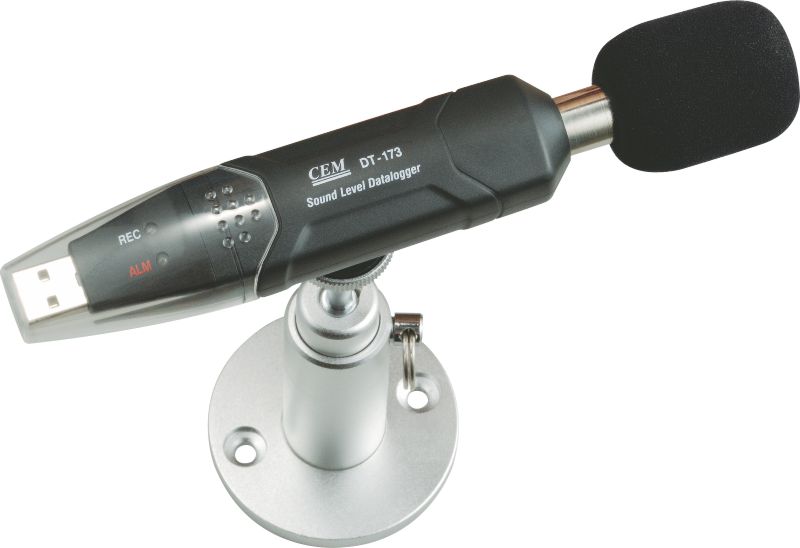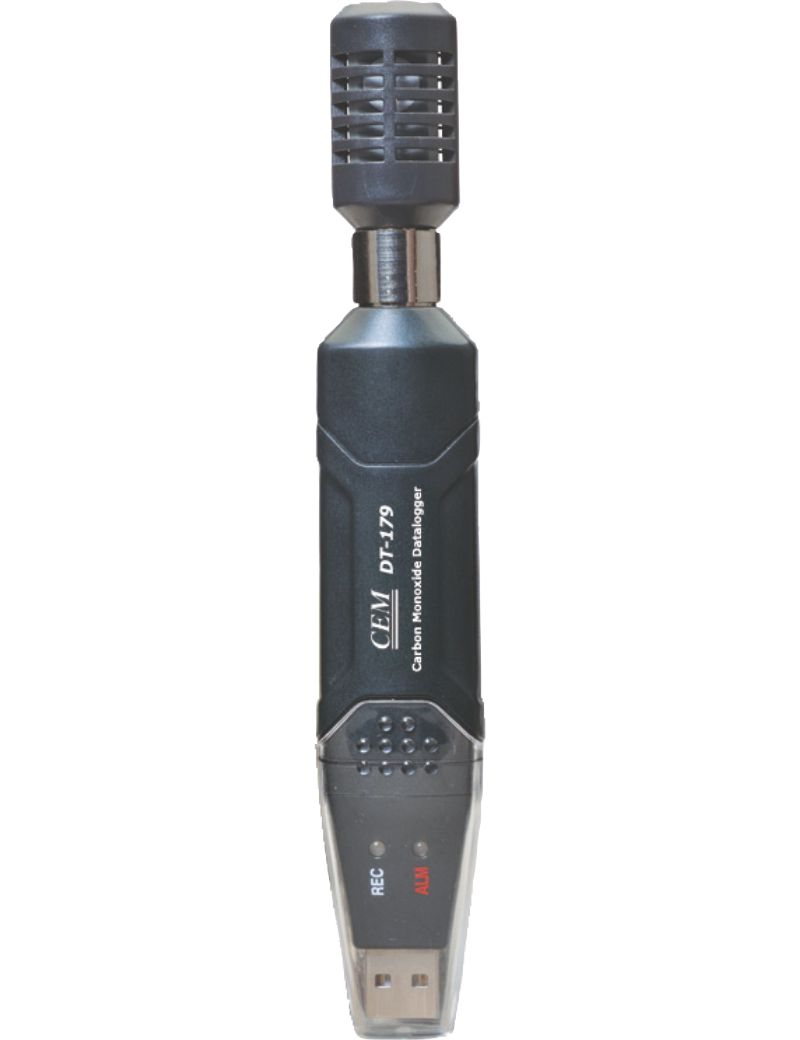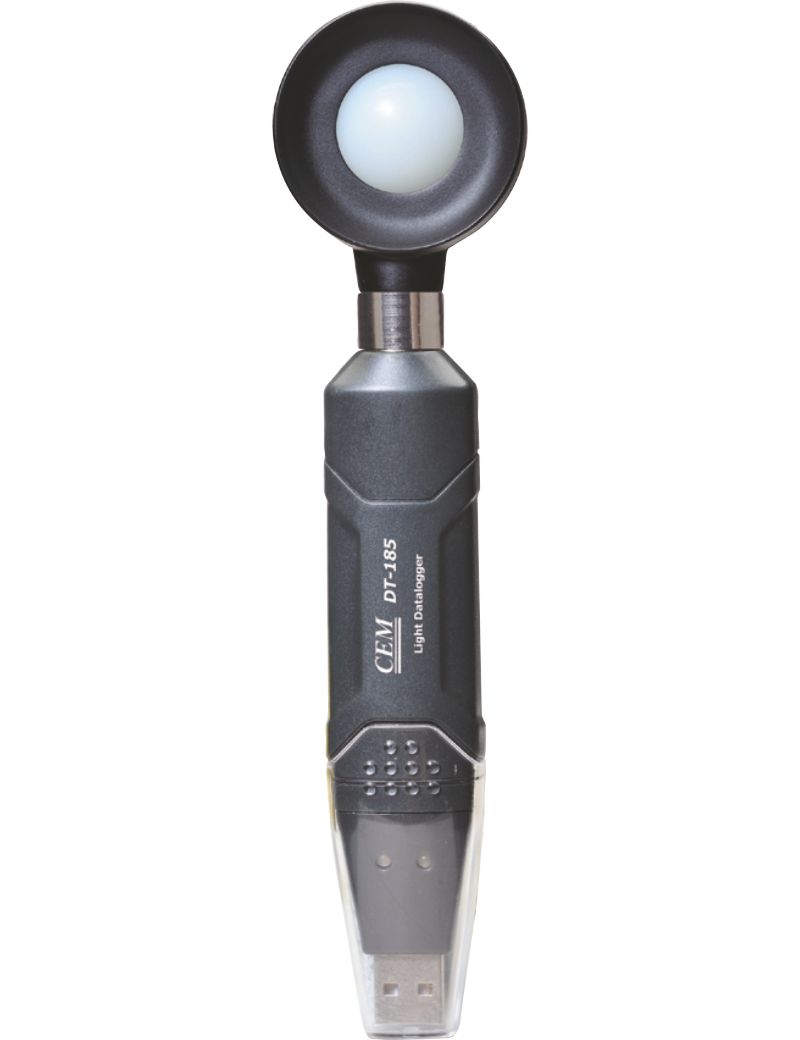
The CEM DT-172 is a smart data logger with internal sensors for both humidity and temperature. All values are shown in the display, that is present, max., min. and time. The logger is perfect for many different applications like office environment or temperature controlled transportation or clean rooms. The loggings are stamped with time and date and the large memory enables logging of 16,000 data sets.
In the software alarms limits can be programmed and the loggings are easily transferred and printed as graph or list.
The CEM DT-172 is delivered ready to use with battery, wall mount, software, USB cable and manual.
Scripts focused less on external narrative drive and more on the internal, non-linear stages of shock, denial, and identity crises. Defining Elements of the "Mourning Wife" Narrative
The film argues that true mourning is not a passive state of sadness, but an active destruction of the self. Ruth’s grief turns inward, manifesting as icy detachment, while Matt’s turns outward. The "full top" of their domestic life—the lobster traps, the kitchen, the bedroom—becomes a cage.
The film repeatedly returns to scenes where Lina imagines unfinished conversations. These imagined dialogues reveal how much of mourning is a negotiation with what was left unsaid, underscoring the human need for closure even when none is possible.
(2001), directed by the acclaimed pinku eiga auteur Daisuke Gotō , stands as a landmark Japanese erotic thriller that brilliantly filters classic American film noir through the transgressive lens of independent Japanese cinema. Released on September 28, 2001, under the original title Mofuku no onna: Kuzureru , this taut, 46-minute feature received widespread critical acclaim within the genre, winning the prestigious Silver Prize at the Pink Grand Prix. Far more than a standard adult feature, Mourning Wife utilizes exceptional cinematography and sound design to craft a subversively dark, melancholic exploration of isolation, human decay, and fatalism.
Rather than presenting mourning as a linear journey, the film maps grief onto the physical environment. The sea, both a source of livelihood and loss, serves as a metaphor for the unpredictability of life. The lighthouse, steady yet isolated, becomes Lina’s beacon of self‑discovery.
Short Blurb (for listings) A tender, meditative drama about loss, memory, and small acts of repair—Mourning Wife follows Aya as she sifts through her late husband’s life and slowly finds a path forward in a town full of quiet truths.
The story follows Tomiko (Mayuko Sasaki), a woman managing her disabled husband’s failing printing business. She meets Ryuzo, a drifter, and the two begin an intense affair that leads to a murder plot against her husband. Critics highlight the film's intersection of noir, erotica, and morbidity